
The Morality of Leaving
The Tenant of Wildfell HallHelen’s departure challenges the belief that a wife must endure any marriage, forcing characters to distinguish duty from social conformity.
increasing Bearing strength in each event
 decreasing
Bearing strength in each eventdecreasingThe Rule Defended

The Rule Defended
Community expectations
Michael Millward and others assume that marriage binds a wife to her husband even when he behaves disgracefully. Some allow that physical violence might justify leaving, but still distrust a wife who acts independently.
A narrow definition of duty
This rule centers social order rather than the welfare of the wife or child. It provides Arthur Huntingdon with the presumption of authority despite his own breaches of trust.
A Child at Risk
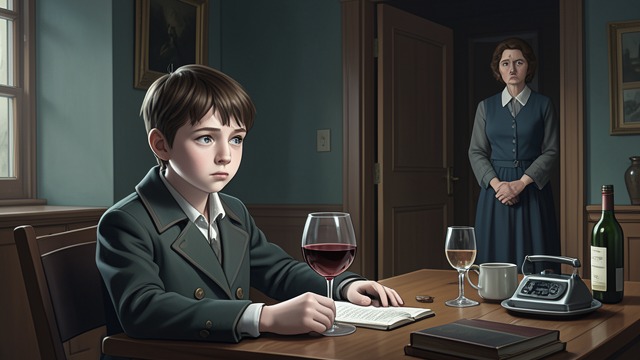
A Child at Risk
Evidence in the home
Helen sees Arthur Huntingdon encourage their son to drink and to imitate adult misconduct. She fears the boy will be harmed if he remains under his father’s daily influence.
Duty reinterpreted
Helen concludes that protecting her child is a higher obligation than preserving the appearance of an intact marriage. The conflict asks whether remaining can itself become a failure of parental duty.
The Escape Prepared
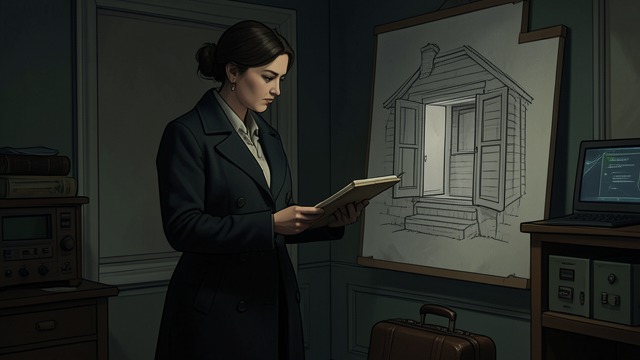
The Escape Prepared
Planning without permission
Helen prepares to leave with her son, arrange a new home, and earn money through painting. She knows Arthur will not grant permission, so she plans for secrecy rather than appeal to his goodwill.
Agency against law and custom
Her choice exposes the difference between moral necessity and what society recognizes as acceptable conduct. She is willing to bear stigma if it is the cost of protecting her child.
The Neighbourhood’s Verdict

The Neighbourhood’s Verdict
Disobedience read as guilt
Many neighbours treat Helen’s departure as proof of sexual misconduct rather than a response to her husband’s behaviour. Her lack of an accepted public explanation leaves her exposed.
Moral judgment reversed
The gossipers condemn the wife who leaves while overlooking the husband’s adultery and neglect. The novel makes the double standard visible through the very language of duty used against Helen.
A Chosen Return
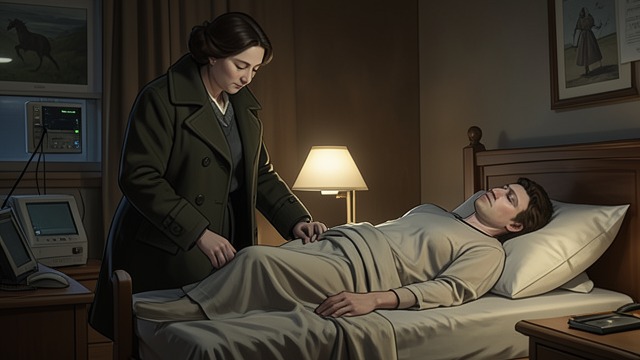
A Chosen Return
Duty freely undertaken
Helen returns to Arthur Huntingdon’s bedside because his suffering and isolation awaken her compassion. This return does not undo her judgment that she was right to leave.
Separation remains possible
Helen keeps her right to take her son away and refuses to promise a restored marriage. The episode distinguishes freely chosen care from compulsory submission.
Before Helen leaves Grassdale
The years before Helen’s escape
Late 1826
After Helen settles at Wildfell Hall
Late 1827
